

If you’ve been exploring natural options for wellness and recovery, chances are you’ve heard something about CBD and maybe even THCA. But for many people, understanding what these compounds do—and how they can help—is still confusing. That’s okay. You don’t need a science degree to get the benefits. This article breaks it all down, in plain English, so you can understand how these two powerful plant compounds work together to support stress relief, reduce inflammation, and promote full-body recovery. Whether you’re dealing with chronic aches, tension from a stressful job, or just trying to feel more balanced, CBD and THCA may offer real, natural solutions without making you feel “high” or foggy. What Are CBD and THCA? Let’s start simple. CBD (Cannabidiol) is a non-intoxicating compound found in cannabis and hemp plants. It’s one of the most popular wellness supplements in recent years, known for helping with anxiety, inflammation, and sleep—without getting you high. THCA (Tetrahydrocannabinolic Acid) is a lesser-known cousin to THC (the main psychoactive ingredient in cannabis). But here’s the difference: THCA isn’t psychoactive in its raw form. That means it delivers many therapeutic benefits without the “high” typically associated with THC. So why are people increasingly talking about combining the two? The short answer: synergy. The Role of the Endocannabinoid System To understand how CBD and THCA work, you need to know about the endocannabinoid system (ECS). Everyone has one. It’s a complex network of receptors throughout your body that help regulate things like: Think of the ECS as your body’s “balance center”—and plant compounds like CBD and THCA help support it. Stress Relief: How CBD and THCA Calm Your Mind Let’s face it: Stress is everywhere. Work deadlines, anxious news cycles, family demands—it adds up. Research suggests that CBD can reduce cortisol levels, the body’s primary stress hormone. That’s why so many people describe CBD as helping them feel “chill” without knocking them out. THCA, while less studied, is believed to have neuroprotective and anti-inflammatory properties, which can support brain health under stress and help improve overall mood regulation. What happens when you combine them? You get a more rounded sense of calm. Bottom line? You don’t need to feel out of control every time life throws a curveball. Physical Recovery: Managing Inflammation and Aches Naturally Whether you’re a weekend athlete or just dealing with long-term joint pain, recovery matters. This is where both CBD and THCA really shine. CBD and Inflammation CBD is well-known for its anti-inflammatory effects. It interacts with the ECS to help your body calm overactive immune responses, making it a popular option for those with: THCA and Recovery Emerging studies show that THCA may carry its own powerful anti-inflammatory properties without causing psychoactive effects, especially when taken raw or minimally heated. When used together, CBD and THCA can offer a multi-pronged approach—addressing both short-term pain and ongoing inflammation. Mind and Body in Sync: The Combined Effects of CBD and THCA Here’s where it all comes together. When CBD and THCA are used simultaneously, they may produce what scientists call an “entourage effect.” That means these compounds can be more effective together than alone, thanks to the way they naturally interact in the body. CBD provides calm and reduces inflammation. THCA adds extra anti-inflammatory power with neuroprotective support. The result? A more balanced, holistic experience. What people have reported from daily or routine use includes: Are There Any Side Effects? Generally, both CBD and THCA are considered safe and well-tolerated. But like any supplement, it’s important to start slow and pay attention to how your body responds. Some people may experience: There’s also the matter of legality and quality. Always source your CBD and THCA from reputable providers who provide lab testing and clear labeling. Pro Tip: Look for products that use raw or minimally processed cannabis to retain THCA. Many commercial cannabis products decarboxylate THCA into THC, which offers different effects. How Is This Different From THC? This is a common question, and an important one. While THC is psychoactive—meaning it alters your perception and can produce a high—CBD and THCA, in their natural forms, are not. So if you’re someone who wants relief without the high, CBD and THCA might be tools to explore. Real-World Uses: Who Benefits from CBD + THCA? You don’t need to have a serious medical condition to benefit from this duo. In fact, you might already be a good candidate if you’re looking to: CBD and THCA are also being explored for support with more specific conditions, like: Always consult with a healthcare professional, especially if you’re currently being treated for any medical condition. Conclusion: Is It Time to Explore CBD + THCA for Yourself? CBD and THCA aren’t just trendy buzzwords. They’re part of a growing body of natural wellness solutions that connect ancient plant remedies with modern science. If you’re tired of chasing temporary fixes—from over-the-counter pain meds to late-night stress eating—maybe it’s time to try something different. The combination of CBD’s relaxing, balancing properties and THCA’s inflammation-fighting power makes for a simple, natural way to feel better from the inside out. Want to learn more or explore trusted options? Dive deeper into our resources, reach out with questions, or keep following our blog for grounded, honest advice you can really use. Ready to rethink your recovery and stress strategy? Take a look at how CBD and THCA might fit into your wellness routine. One thoughtful step at a time.
Purity Matters: How Extraction Methods Impact CBD and THCA Quality
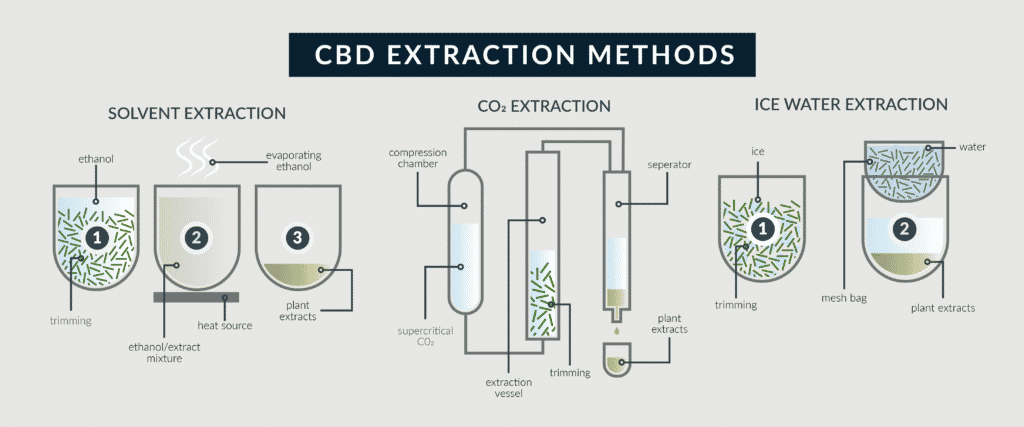
We’ve all seen the labels—“pure,” “high quality,” “lab-tested”—on CBD and THCA products. But what do these actually mean? If you’re curious about what’s really behind the purity and potency of your favorite hemp products, you’re not alone. It turns out, how these compounds are extracted makes a major difference in everything from effectiveness to safety. Let’s walk through how extraction methods impact the purity of CBD and THCA, and why it’s something every consumer should understand before buying. Why Extraction Even Matters When it comes to CBD (cannabidiol) and THCA (tetrahydrocannabinolic acid), you’re not just buying the cannabinoid—you’re buying everything that comes along with it during the extraction process. Here’s why extraction matters: Common Extraction Methods for CBD and THCA Let’s break down some of the most common methods used in the industry today. Each comes with its own pros, cons, and impact on purity. CO2 Extraction (Supercritical and Subcritical) CO2 extraction is considered the gold standard in the industry, and for good reason. How it works: CO2 is used under high pressure and low temperatures to extract cannabinoids without solvents. Why it’s preferred: Products made with CO2 extraction tend to have a longer shelf life and retain more of the plant’s original chemistry. That means better flavor, more effective results, and fewer risks. Ethanol Extraction This method uses high-grade alcohol to extract cannabinoids. It’s widely used due to its efficiency and cost-effectiveness. Pros: Cons: The final product is generally safe—but only if the company tests thoroughly and properly removes residual solvents. Hydrocarbon Extraction (e.g., Butane or Propane) Hydrocarbon methods use solvents like butane or propane to produce a potent concentrate, often used in vape products or dabs. Pros: Cons: This is where quality control really matters. Clean hydrocarbon-extracted products can be potent and flavorful, but poor processes can leave behind unwanted toxins. Solventless Methods: Rosin and Ice Water Hash These are mechanical methods that don’t use solvents—just heat, pressure, and/or ice water. Why people love them: Trade-offs: Solventless products are praised for their purity, but you may pay a premium due to the more involved process. How Extraction Impacts Terpenes and Cannabinoids Terpenes are the compounds that give cannabis its distinctive aroma and flavor—not to mention added medicinal benefits. A high-quality CBD or THCA extract keeps these intact. But some extraction methods, especially when done poorly, destroy or alter these sensitive compounds. Poor extraction practices can result in: So while all products may look similar on a shelf, their chemical profiles could be very different under a microscope—and that matters when you’re looking for results. Why Purity Equals Safety This isn’t just about taste or potency—it’s about your health. Low-quality extraction can introduce: Choose products from brands that test for everything—not just THC levels. Full-Spectrum vs. Isolate: Does Extraction Method Influence This? Absolutely. The extraction method can determine whether the product ends up as an isolate (pure CBD or THCA only) or full-spectrum (includes additional cannabinoids and terpenes). For example: What to Look for in High-Quality CBD and THCA Products Shopping for CBD or THCA? Keep these purity pointers in mind: Conclusion: Purity Isn’t Just a Buzzword—It’s a Standard At the end of the day, how CBD and THCA are extracted makes all the difference to you—the person using it. From preserving natural plant compounds to eliminating harmful leftovers, extraction defines the quality of your experience. So the next time you buy a CBD tincture or THCA vape, take a moment to look beyond the branding. Ask questions. Read test results. Choose companies that treat purity not as a marketing term, but as a commitment to your health. And keep learning—our blog is full of practical advice to help you sort truth from hype in the world of wellness. Let’s make informed choices together.
How CBD and THCA Interact with the Endocannabinoid System
If you’ve ever tried CBD or are curious about the buzz surrounding THCA, you’re probably wondering what these compounds actually do in your body—and why they seem to “work” for so many people in different ways. It all comes down to something called the **endocannabinoid system (ECS)**—a vital but often misunderstood part of human biology. In this guide, we’ll unpack how CBD and THCA interact with the endocannabinoid system, using down-to-earth language and real scientific insight to help you make sense of it. Let’s start with the basics and work our way toward the more nuanced interactions between these plant compounds and the systems within your body. What Is the Endocannabinoid System? Think of the endocannabinoid system as your body’s internal balancing network. It helps keep important functions—like mood, sleep, pain perception, appetite, and immune response—in a state of equilibrium. That might sound like a lot, and honestly, it is. The ECS is deeply interconnected with almost every system in your body. Now, let’s explore how CBD and THCA engage with this fascinating system. How CBD Interacts with the Endocannabinoid System Not Your Typical Cannabinoid CBD (short for cannabidiol) is a non-intoxicating compound found in hemp and cannabis. It doesn’t make you “high,” but it does interact with your body in important (and sometimes subtle) ways. Unlike THC (tetrahydrocannabinol), CBD has a low binding affinity for CB1 or CB2 receptors. But that doesn’t mean it’s inactive. In fact, CBD works more like a modulator—adjusting how the ECS and other systems respond to various stimuli. How It Works CBD influences the ECS by: The bottom line: CBD encourages your ECS to work smarter, not harder. That’s a major reason why so many users report benefits like stress relief, better sleep, and milder chronic pain symptoms. Understanding THCA: A Non-Psychoactive Powerhouse THCA Isn’t THC Quick clarification: THCA is not the same as THC. THCA (tetrahydrocannabinolic acid) is the raw, acidic form of THC found in raw cannabis. It only turns into THC when heated through decarboxylation (like when you smoke or bake cannabis). This means THCA is non-intoxicating, but still has broad physiological effects, which are only now being fully explored through research and anecdotal reports. How THCA Affects the Endocannabinoid System Unlike THC, THCA doesn’t bind directly to CB1 or CB2 receptors in any significant way. However: While THCA’s ECS engagement isn’t as well-understood as CBD or THC, it’s gaining traction for its gentler but still therapeutic presence. CBD and THCA: Complimentary Yet Unique Interactions So, what happens when CBD and THCA are used together? While research into this combo is still evolving, here’s what we do know: Some users say combining these compounds offers balanced benefits—especially for daytime inflammation relief, mental clarity, and stress management. While individual results vary, there’s potential synergy in how each interacts with different parts of the ECS and beyond. The ECS Beyond Cannabinoids: More Than Just Receptors Here’s something people often overlook—the ECS isn’t limited to cannabis receptors. It overlaps with other biochemical pathways, including: This wide-reaching network helps explain why natural compounds like CBD and THCA can have effects in so many different areas, even when their mechanisms aren’t fully understood. Final Thoughts: Navigating the ECS with Confidence Understanding how CBD and THCA interact with the endocannabinoid system can feel a bit like putting together a giant puzzle. There’s still a lot we don’t know—but what we do know is promising. CBD supports your ECS by modulating receptor activity and boosting your body’s own endocannabinoid levels. THCA, while less direct, may influence ECS-related channels in ways that reduce inflammation and support wellness—all without intoxication. As research continues and more people explore these compounds, the picture becomes clearer—and more empowering. Whether you’re managing symptoms, promoting balance, or simply curious about natural alternatives, CBD and THCA offer real potential. If you want to learn more about how these compounds work in real life, or explore options that may support your health, stay tuned to our blog or reach out. We’re here to help translate the science into something that works for you.

Finding Your Balance: Daily Habits to Maximize CBD + THCA Benefits
If you’re exploring the world of cannabinoids, it’s easy to feel overwhelmed. You’ve probably heard of CBD by now—it’s everywhere from skincare to coffee shops. But what happens when you pair CBD with THCA, another cannabinoid that’s gaining attention? More importantly, how do you make the most of their potential benefits without overthinking every dose or habit? Let’s break it down. Whether you’re managing stress, enhancing recovery, or just looking to boost your overall wellness, establishing simple, daily habits can help you balance your body and mind using CBD and THCA. What Are CBD and THCA—and Why Combine Them? Before diving into daily habits, it’s important to understand what you’re putting into your body. CBD (cannabidiol) is a non-intoxicating compound found in hemp and cannabis. People use it for various reasons: stress relief, inflammation, better sleep, general well-being. The key point? It won’t get you high. THCA (tetrahydrocannabinolic acid) is the raw, unheated form of THC. In its unaltered state, THCA doesn’t produce a “high” either. But researchers believe it offers anti-inflammatory, neuroprotective, and anti-nausea benefits—potentially making it a valuable addition to your wellness toolbox. So, why combine them? CBD supports balance in the endocannabinoid system, and THCA could address specific inflammation or discomfort. Used together, they may provide a gentle, synergistic effect—especially when taken thoughtfully. Why Daily Habits Matter with CBD + THCA Think of CBD and THCA like any other wellness supplement—consistency affects results. It’s not a quick fix, but a long-term investment in how your body feels and functions. Some benefits can show up quickly, like relaxation or improved sleep, while others—like better focus or reduced inflammation—can take days or weeks of regular use. That’s where daily habits come in. They take the guesswork out of it and help establish a rhythm your body can rely on. Morning Rituals: Start With Intention Your morning sets the tone for your day. When using CBD and THCA, this is an ideal time to build momentum for a more balanced mindset and energy level. Try this simple structure: Midday Reset: Sustaining Focus and Energy By noon, your focus may start to dwindle—especially if stress or discomfort creeps in. This is prime time for a check-in with yourself. Look out for signs like: If these sound familiar, a midday microdose could help. Some users find that low doses of CBD paired with THCA-rich raw juice (such as from fresh cannabis leaves, if legal in your area) promote clarity and reduce stress without causing a crash. Helpful midday practices include: Again, these habits reinforce consistency. The cannabinoids support your body, while mindful breaks support your brain. Evening Wind-down: Rest and Recovery This is when your body repairs and recharges, which means it’s a crucial part of your daily balance. Some people associate cannabinoids with sleep—and for good reason. CBD can help bridge the gap between a racing mind and a relaxed body. THCA may reduce soreness, supporting deeper physical rest. Evening habits to support recovery: If sleep is a focal point, you may notice improvements after a few days of routine. It’s not about knocking yourself out—it’s about helping your body shift naturally into rest mode. Nutrition and Movement: Supporting the System CBD and THCA don’t work in a vacuum. Your lifestyle choices can influence how effective they are. Balanced nutrition is key. These cannabinoids are fat-soluble, meaning they absorb better when taken with healthy fats like avocado, nuts, or olive oil. Movement triggers your body’s own endocannabinoid production. Whether it’s yoga, walking, or dancing around your kitchen, moving your body enhances the effects of cannabinoids like CBD and THCA. Your system runs better when you support it from all angles—and the results build compound interest over time. Mental Health + CBD/THCA: A Gentle Partnership Many users discover that cannabinoids support not just the body, but the mind. CBD may help ease anxious thoughts. THCA, while less researched in this area, is being explored for potential neuroprotective properties. Combined thoughtfully, they can form a quiet anchor for people navigating mental health challenges—with or without medication. But here’s the thing to remember: If you’re exploring CBD or THCA for anxiety, depression, or focus issues, talk with a healthcare provider—especially if you’re on any medications. Understanding Your Unique Response One of the most confusing things about cannabinoids is how differently they work for everyone. Two people can take the same product and feel very different results. That’s not the product’s fault—it’s about differences in biology, lifestyle, tolerance, and even gut health. So, honor that process. Use a simple tracking method to monitor how you feel, such as: Adjust your dose or product only after giving a routine at least 5–7 consistent days. That’s when patterns start to emerge. Over time, you’ll get better at noticing subtle cues from your body—and fine-tuning your approach. Final Thoughts: Start Simple, Stay Consistent There’s real value in keeping your daily CBD + THCA use rooted in simple, sustainable habits. No fancy gear or complicated math—just a focus on showing up for yourself each day. If you’re serious about maximizing the benefits, remember: Whether you’re just getting started or refining a long-term wellness strategy, giving your body consistent support through natural cannabinoids can be a reliable way to feel more grounded—and more in control.
Real-Life Results: How Users Improve Sleep and Stress Levels with CBD and THCA
Sleep struggles. Racing thoughts. The inability to truly unwind at night. Whether it’s due to demanding schedules, chronic stress, or underlying health issues, many people are looking for natural ways to reset and restore their well-being. One solution that’s been getting a lot of buzz lately? CBD and THCA. But it’s not just hype. Real people are sharing real results—from better sleep quality to noticeably lower stress levels—after using these cannabis-derived compounds. Curious how and why this works? Let’s unpack what the science says, what users are experiencing, and how you might benefit. The Basics: What Are CBD and THCA? Before we dive into the user stories and results, let’s revisit what exactly these two compounds are. Both CBD (cannabidiol) and THCA (tetrahydrocannabinolic acid) are cannabinoids found in hemp and cannabis plants. But they’re very different in how they work and how they affect your body. Still confused? You’re not alone. Many people don’t realize that CBD and THCA aren’t interchangeable. What Does Science Say About Sleep and Stress? Let’s anchor this discussion with some science—because it’s not just anecdotal. CBD and Sleep CBD has been studied for its effects on the body’s endocannabinoid system, which helps regulate sleep, mood, and stress. Early research suggests that CBD may help reduce anxiety, allowing for better quality sleep. In fact, a large clinical case series published in The Permanente Journal found that patients using CBD reported notable improvements in both anxiety and sleep patterns. THCA and Stress Reduction THCA hasn’t been studied as extensively as CBD, but emerging research indicates that it plays a neuroprotective role and may help with inflammatory diseases, which can indirectly affect stress levels. Real-Life Results: What Users Are Reporting Here’s where things get interesting. Beyond lab results and theoretical benefits, users are seeing transformations in their daily lives. We’ve gathered feedback, user testimonials, and survey insights across multiple demographics. Better Sleep Quality with CBD Many people trying CBD specifically for sleep notice improvements within the first few days. Here’s what users commonly report: One user shared: “I used to lie awake for hours replaying my day and worrying about tomorrow. CBD helps turn down the volume in my brain. Now I sleep through the night, and I’m sharper during the day too.” THCA as a Daily Stress Reducer Because THCA doesn’t produce a “high,” it’s become a go-to for those seeking stress relief without impairment. Users describe THCA as: One long-time user of THCA explained: “With THCA, I noticed my body felt less tight, especially in my shoulders and jaw, which is where I carry stress. I wouldn’t say I felt sedated—more like a better version of myself.” Combining CBD and THCA: A Holistic Approach Some users find that combining both cannabinoids gives them a more balanced response. They take CBD in the evening to sleep better, and THCA during the day to stay cool under pressure. This dual strategy supports consistency in mood and rest—two major drivers of overall wellness. Things to Consider Before You Start If you’re feeling intrigued by all of this, it’s completely valid. But like with any supplement or wellness practice, it’s smart to go in informed. 1. Start Low and Slow Especially if you’re new to cannabinoids, start with a small dose. You can always increase gradually based on how your body reacts. 2. Look for Quality Products Not all products are created equal. Choose those with third-party lab testing and transparent sourcing. Organic or clean-grown hemp matters more than you think. 3. Monitor How You Feel Keep a short journal. Log your sleep quality, mood, or stress levels before and after trying these products. The results can be really affirming—and helpful if you ever talk to a health professional about your regimen. How CBD and THCA Fit Into a Holistic Wellness Routine CBD and THCA are like nutritional tools—not cures. For maximum effect, pair them with healthy habits: Cannabinoids can amplify the benefits of these habits, but they aren’t a substitute for them. FAQs About Using CBD and THCA for Sleep and Stress Is one better than the other for sleep? CBD tends to be more directly associated with sleep benefits. However, some people find THCA supportive if inflammation or pain is interfering with rest. Will I get high from using these? No. Neither CBD nor THCA is psychoactive in their pure forms. CBD is completely non-intoxicating. THCA only becomes psychoactive when heated and converted into THC. How long should I wait to see results? Everyone’s body is different. Some feel a shift within 1–3 days. For others, it may take 1–2 weeks of consistent use. Tracking your results helps you determine what’s working. Conclusion: A Calmer, Well-Rested Life Might Be Closer Than You Think Finding ways to manage stress and get better sleep shouldn’t feel like solving a mystery. CBD and THCA offer promising, natural support—backed by user experiences and growing scientific understanding. Start small. Stay consistent. And most importantly, pay attention to how you feel. Your body usually tells you more than a label ever could. Whether you’re struggling to fall asleep or can’t seem to turn off your stress response, there’s a good chance that these cannabinoids could be part of your solution. Interested in learning more or exploring which option might be best for you? Stay tuned to our blog for more insights—or reach out to us directly. Sometimes, the first step to better sleep and calmer days is just asking the right question. We’ll help with the rest.

Sustainable Sourcing: How Ethical Farming Improves CBD and THCA Purity
In recent years, CBD and THCA have become household names among wellness enthusiasts. These cannabinoids hold promise for everything from relaxation to natural pain relief. But there’s a lesser-known part of the conversation that deserves more attention: how the hemp is grown. The purity and effectiveness of CBD and THCA start at the source—literally. Ethical farming and sustainable sourcing don’t just sound nice on a label; they’re essential to ensuring quality, safety, and overall cannabinoid integrity. Let’s dig into how farming practices directly impact the purity of your CBD and THCA—and why sustainable sourcing should matter to anyone who uses these compounds. Why Farming Methods Matter for Cannabinoid Purity You might assume all CBD and THCA are essentially the same. After all, they’re extracted from cannabis or hemp, right? Here’s why that’s an oversimplification. Cannabis plants are bioaccumulators. That means they readily absorb substances from their growing environment—soil, water, even the air. If growers use synthetic pesticides, herbicides, or chemical fertilizers, traces of those can end up in the final product. And if the soil itself is contaminated? You guessed it: that contamination can show up in your tincture, gummy, or concentrate. In contrast, hemp grown using ethical, organic, and regenerative practices has a much higher chance of producing clean, uncontaminated cannabinoids like CBD and THCA. What Is Ethical Farming in the Hemp and Cannabis Industry? Let’s break it down. Ethical farming refers to responsible agricultural practices that prioritize: Instead of squeezing every last crop from exhausted land, ethical farmers focus on long-term health: of the soil, the plant, and the community. In the context of hemp, these practices can include: These decisions influence everything from how rich each plant’s cannabinoid profile is to how safe it is to ingest or inhale. CBD and THCA: What Purity Really Means Purity in CBD and THCA isn’t just about percentages on a lab report. It involves multiple layers: Unethical or industrial-scale cultivation doesn’t always hit these marks. That’s why companies using ethically farmed hemp can usually provide full transparency—COAs (Certificates of Analysis), traceable sourcing, and detailed breakdowns of their cannabinoid and terpene content. From Seed to Shelf: How Ethical Farming Improves Cannabinoid Quality Let’s walk through what changes when you start with ethically sourced hemp. 1. Cleaner Soil, Cleaner Plants Hemp draws up whatever is in the soil—good or bad. If the soil is naturally nutrient-rich and chemical-free, your plants won’t need aggressive fertilizers or chemical cocktails to survive. Unethical growers often turn to quick-fix growth enhancers, which can linger in the plant. In contrast, ethical farms nourish their soil, letting the plant thrive naturally. 2. Better Terpene and Cannabinoid Profiles Stress-free, nutrient-rich plants tend to express a fuller range of cannabinoids and terpenes. That means you get not only more CBD or THCA, but also the additional compounds that create the “entourage effect.” These interactions—between cannabinoids, terpenes, and flavonoids—are essential for the potential therapeutic power of hemp-derived products. 3. Transparency and Testing Ethically sourced cannabinoids usually come from operations that are serious about testing and transparency. Many go beyond required lab tests to ensure consistency over time. You’ll see clear lab results (COAs) showing: With ethical products, you’re not playing ingredient roulette. Environmental and Health Benefits of Sustainable Sourcing Choosing ethically farmed CBD or THCA isn’t just better for you. It’s better for the planet. Consider the broader picture: Not to mention—supporting ethical farming helps move the entire industry forward and away from exploitative or extractive norm. Ethical Farming and Consumer Trust Purity is easy to talk about, harder to prove—unless you’re working with farmers and producers who believe in transparency from the ground up. Here’s how ethical sourcing builds trust: When a brand doesn’t need to hide where (or how) its plants are grown, it’s usually a sign the company’s doing things right. And remember, the effects of contaminated hemp aren’t just theoretical. Pesticides and impurities don’t burn off during extraction—they can end up in your body. That affects not only purity, but also long-term health outcomes. A Real Solution: Ethical CBD Farming and the Future of Cannabis Wellness There’s a common misconception that “natural” automatically means “safe.” But the reality is, without sustainable and transparent farming practices in place, it’s hard to be sure what’s in your product. Ethical, regenerative farms give consumers real confidence—and better results. You can enjoy the benefits of cannabinoids like CBD and THCA without worrying about hidden chemicals, inconsistent potency, or questionable sourcing. Final Thoughts: Clean Source, Clear Results At the end of the day, purity starts in the field. The care that goes into growing hemp—the soil, the sun, the intention—makes all the difference in how that CBD or THCA performs in your body. If you’re using cannabinoid products to support your well-being, why settle for anything less than the cleanest, most ethically produced option available? Take the time to know how your CBD and THCA are sourced. Ask questions. Read lab reports. Choose providers who value transparency and sustainability as much as deliverability and effect. And stay tuned to our blog—we’re constantly exploring new angles on ethical farming, hemp science, and cannabinoid wellness. Got questions or stories to share? Drop us a line—we’d love to hear from you.

CBD vs. THCA: Understanding the Difference and Their Unique Benefits
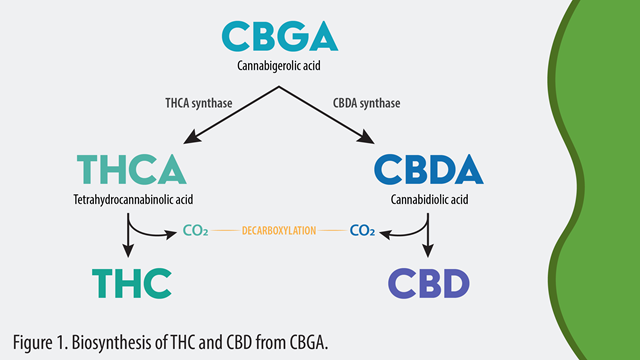
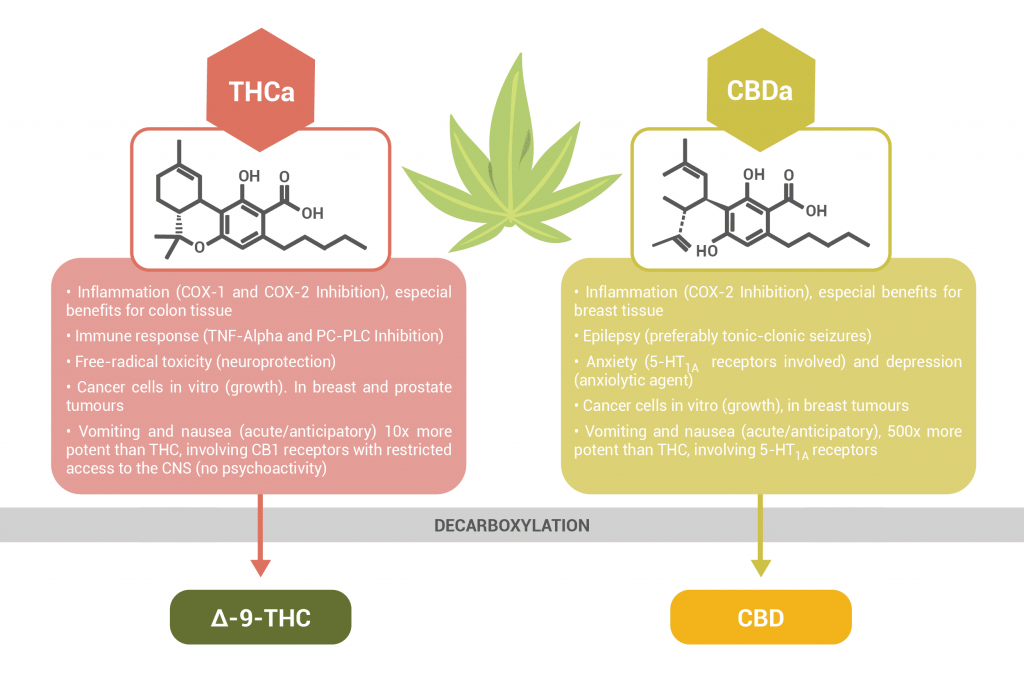
If you’ve dipped your toes into the world of cannabis wellness, you’ve probably come across terms like CBD and THCA. They sound alike, both come from the cannabis plant, and both are non-intoxicating—but they’re not the same thing. So what’s the real difference between CBD and THCA? And more importantly, how do you know which compound might be best for your needs? This guide breaks it all down in everyday language. Whether you’re exploring natural remedies for pain, anxiety, or inflammation—or just trying to make sense of hemp and cannabis products—you’re in the right place. What Is CBD? Let’s start with one of the most well-known cannabinoids: CBD. CBD, short for cannabidiol, is a naturally occurring compound found in both cannabis and hemp plants. The key thing to know? CBD is non-intoxicating, meaning it won’t get you high. But it may support a range of wellness outcomes—from easing stress and minor aches to promoting sleep. People often turn to CBD for: What Is THCA? Now let’s talk about THCA. THCA stands for tetrahydrocannabinolic acid. It’s the raw, non-psychoactive version of THC, the well-known cannabinoid that causes a “high.” THCA is found in fresh, unheated cannabis. When it’s exposed to heat—like when you smoke, vape, or bake it—it converts into THC (a process called decarboxylation). Here’s the key point: Raw THCA won’t get you high. But many are discovering that THCA itself—while still in its raw, acid form—has unique wellness potential. Growing interest in THCA is due to its possible support for: CBD vs. THCA: A Quick Comparison Let’s put their differences into perspective. Feature CBD THCA Psychoactive? No No (until heated) Source Hemp and cannabis Mostly cannabis (in raw form) Stability Stable at room temp Converts to THC when heated Common Uses Anxiety, sleep, pain, general wellness Inflammation, nausea, possible neuroprotective effects Legal Status Federally legal if derived from hemp* Legal in raw form, but regulated when converted to THC CBD must contain less than 0.3% THC to comply with U.S. federal law. It’s also worth noting that THCA is gaining ground as a key part of the cannabis wellness conversation. Some users prefer it because you can consume it raw—say, in juiced cannabis leaves or capsules—without experiencing any intoxication. How Each Cannabinoid Works in the Body Here’s where things get interesting: CBD and THCA affect the body differently because they interact with the endocannabinoid system (ECS) in different ways. In other words, both compounds support wellness—but they go about it in their own unique ways. Why Choose CBD? CBD has become something of a go-to in the wellness community. And for good reason—it’s widely available, doesn’t cause intoxication, and has a growing body of research behind it. CBD might be the better choice if: It’s also legal* in most places, including those without recreational cannabis laws, making it more accessible for many. Why Consider THCA? THCA may still be a newer name in the cannabinoid world, but it’s quickly capturing attention—especially for users looking into holistic options for inflammation and long-term wellness. THCA might be a great fit if: It’s especially popular in the fresh press rosin and raw cannabis community, where the goal is to consume cannabinoids in their most unaltered form. Will You Feel High From Either One? In short: If staying sober and in control is part of your wellness plan, both CBD and raw THCA can be smart options. Just be mindful of how each is processed and consumed. Legal Status: Is One Easier to Buy Than the Other? CBD products are widely legal in the United States, thanks to the 2018 Farm Bill. As long as they’re derived from hemp and contain less than 0.3% THC, they’re generally federally compliant and sold online, at wellness shops, or even in your local grocery store. THCA, on the other hand, lives in a legal gray area. It’s technically legal in its raw form in many states, especially if it comes from hemp. But once it’s decarboxylated into THC—that’s when legal issues can arise. Laws vary widely by state, so always check your local regulations before buying or carrying THCA-heavy products. How to Choose the Right Option for You Choosing between CBD and THCA isn’t a competition—it really comes down to your unique needs and goals. Ask yourself: You might even find that a blend of cannabinoids works best for you. That’s why full-spectrum products—which often include multiple cannabinoids—are gaining popularity. They allow the compounds to work together (a phenomenon called the “entourage effect”) for a more balanced benefit. Final Thoughts: CBD and THCA Aren’t Opposites—They’re Teammates When it comes to CBD vs. THCA, there’s no “winner.” Both support wellness in valid but distinct ways. Ultimately, they’re teammates in the broader cannabinoid toolbox. Whether you’re dipping your toe into these plant-based options or deep in the wellness game, it’s worth exploring how each may fit into your life. If you’ve found this breakdown helpful, follow our blog for more expert insights—or share with a friend who’s overwhelmed by all the cannabis lingo. And when you’re ready to take the next step, make sure what you’re choosing truly lines up with your goals. Need guidance or have questions? We’re here to help—every step of the way.
Unlock Relief Naturally with CBD and THCA Formulations You Can Trust
If you’re exploring natural alternatives for managing discomfort, stress, or inflammation, you’ve probably heard about CBD or THCa. Maybe you’re curious. Maybe you’ve tried something in the past that didn’t quite do the trick—or raised more questions than answers. You’re not alone. This page explains how our trusted CBD and THCA-based formulations can help you feel better without relying on harsh pharmaceuticals. Whether you’re navigating chronic discomfort, sleepless nights, or just looking for natural ways to restore calm, we’re here to help you understand your options—clearly, locally, and without the confusion. We proudly serve individuals in your local area, offering consultations, guidance, and premium plant-based solutions tailored to your personal wellness goals. What Are CBD and THCA, and Why Do They Matter? Cannabidiol (CBD) and tetrahydrocannabinolic acid (THCA) are two of the most talked-about, naturally occurring compounds found in the cannabis plant. But unlike the more well-known THC (which produces a high), these compounds are non-intoxicating. They interact with your body’s endocannabinoid system—helping regulate things like mood, inflammation, and immune function—all without the mind-altering effects. While CBD is often used for pain management, anxiety relief, and sleep support, THCA is gaining attention for its potential anti-inflammatory and neuroprotective properties, especially before it’s been heated or aged (which turns it into THC). In short: these compounds show promise as gentle, plant-based wellness options. But trust and quality matter—and that’s where we come in. Why Choose Our Trusted CBD and THCA Services? We understand there’s no shortage of CBD products on the market. But when it comes to something you’re putting into your body for health reasons, quality and transparency are non-negotiable. Here’s why clients choose us: What to Expect: How It Works We make it easy to explore natural solutions without feeling overwhelmed. Whether this is your first experience with cannabinoids or you’re looking for something better, here’s how we work: 1. Book a Local Wellness Consultation We begin with a one-on-one conversation—either in person or over the phone. You’ll share any concerns, symptoms, and what you hope to achieve using CBD or THCA. 2. Personalized Formulation Recommendation Based on your consultation, we’ll recommend specific products, blends, or delivery methods (tincture? topical? capsule?). Everything is tailored to your lifestyle and comfort level. 3. Transparent Labels and Testing You’ll receive full details on ingredients, usage instructions, and lab test results confirming quality. No fillers, no hidden additives—just clean, effective compounds. 4. Ongoing Support Wellness is a journey. We’re here to check in, adjust your plan if needed, and answer new questions as they come up. Our Local Commitment to You We’re more than a brand—we’re your neighbors. It’s why we put in the work to keep things local, clean, and compliant with state laws. Our team is rooted locally, and we supply directly to local clients looking for trustworthy relief options. We’ve helped hundreds throughout the area discover what natural, high-quality CBD and THCA can do when used wisely and intentionally. Whether you’re in downtown, the suburbs, or the quiet corners of nearby counties, we’re here to offer personalized service that’s invested in your wellbeing. Frequently Asked Questions Will CBD or THCA Get Me High? Good question—and a common one. No, neither CBD nor raw THCA causes intoxication. Unlike THC (the compound in marijuana that produces a high), CBD and THCA won’t impair your mental function. Is This Legal in my state? Yes. Hemp-derived CBD is federally legal, and most states—including your state—permit the sale and use of hemp-derived products containing less than 0.3% THC. THCA is also available in compliant, raw forms that do not produce psychoactive effects unless converted. How Do I Know It’s Safe? Every product we offer is rigorously third-party tested for contaminants, potency, and purity. You’re welcome to view lab results before you buy. We believe in radical transparency, and we’ll never sell you anything we wouldn’t take ourselves. How Do I Use the Products? It depends on the formulation and your goals. Tinctures (liquid extracts) are typically taken under the tongue, while topicals are applied directly to the skin. We’ll walk you through proper usage and dosing during your consultation. I’ve Tried CBD Before but Didn’t Feel Anything—What’s Different Here? Not all CBD or THCA is created equal. Many over-the-counter options are underdosed or poorly formulated. We take the time to match you with premium-grade formulations—at effective concentrations—so you’re not wasting your time (or money). Can I Use This Alongside My Current Medications? In most cases, our formulations can be used safely with other treatments, but we always recommend speaking with your healthcare provider. During your consultation, we’ll ask about current medications to avoid potential interactions. Ready to Explore Natural Relief You Can Trust? If you’re tired of short-term fixes—or you’re hesitant to try “just another” wellness trend—start with a local team that puts clarity and care first. Whether you’re dealing with daily aches, chronic inflammation, trouble sleeping, or just an unclear mind, there are better, gentler options—and we’d love to help you find them. Book your consultation today to discover how CBD and THCA can support your path to feeling better—naturally, honestly, and close to home.

Pure, Potent, Proven: Explore the Science Behind CBD and THCA
If you’ve been curious about how natural compounds like CBD (cannabidiol) and THCA (tetrahydrocannabinolic acid) may support your wellness, it’s worth digging into the science. These two non-intoxicating cannabinoids offer distinct health benefits—and when used intentionally, they may help with pain, inflammation, anxiety, and more. Whether you’re living with chronic conditions or simply interested in alternative wellness options in your area, exploring CBD and THCA through a scientific lens can help you make informed decisions. We’re not here to throw buzzwords at you. We’re here to break it down clearly, locally, and honestly—because when it comes to your health, information should be as pure as the products you use. Why Choose Our Approach to CBD and THCA? Not all cannabinoid products are created equal. And not all companies take the time to explain how these compounds actually work in the body. Our approach combines high-quality, lab-tested formulas with deep respect for the science—so you can explore natural wellness with confidence. Here’s why our method stands out: How CBD and THCA Work: A Simple Overview CBD and THCA interact with your endocannabinoid system—a complex network of receptors that helps regulate sleep, mood, pain, inflammation, and more. Here’s a quick breakdown: When you use them appropriately, these compounds may offer complementary benefits. How We Support You—Step by Step If you’re wondering how to get started exploring CBD or THCA safely and confidently, we’ve made the process straightforward. Here’s how it works: This isn’t guesswork—it’s guidance rooted in research and personalized to your experience. Local Knowledge You Can Trust We’re proud to serve our local community with education-first solutions to natural wellness. Unlike national retailers or faceless online stores, we actually know this community’s needs and lifestyles. People here trust us because we take the time to understand—not just sell. Whether you’re a young professional managing stress, a parent navigating sleepless nights, or an older adult dealing with chronic inflammation, we tailor our advice with deep respect for your background and health history. We also partner with local health practitioners and wellness centers to ensure that the advice we give aligns with broader care goals when needed. Common Questions About CBD and THCA Is THCA the same as THC? No. THCA is the precursor to THC and only becomes psychoactive when heated. In its raw form (e.g., in tinctures or raw extracts), THCA does not produce a high. Will CBD or THCA interact with my medications? It’s possible. Some cannabinoids—especially at higher doses—may interact with prescription medications. Always check with your doctor before starting, especially if you take medications processed by the liver. How long does it take to feel effects? It depends on the method (oil vs. topical) and individual metabolism. Most people begin to notice changes in mood or discomfort levels within 20 to 45 minutes when using tinctures or capsules. Can I fail a drug test from CBD or THCA? CBD isolate products typically do not contain THC. However, broad-spectrum and full-spectrum products may contain trace amounts. THCA in raw form is non-psychoactive but may convert to THC when heated. If you’re drug tested frequently, speak with us first so we can recommend safe options. Is this legal where I live? CBD derived from industrial hemp (containing less than 0.3% THC) is federally legal. THCA laws vary by state and depend on product form and source. We only recommend legal, compliant options available in your area. What if I’ve tried CBD before and didn’t notice anything? It’s common to try the wrong ratio, dose, or product format. A consultation can help fine-tune your approach. Ready to Explore What’s Possible? If you’re curious but cautious, that’s perfectly normal. Exploring CBD and THCA is a personal journey—there’s no one-size-fits-all answer. But with guidance rooted in science, transparency, and local connection, you can move forward with clarity. Whether you’re brand new or refining your approach, we’re here to help you make informed, confident decisions. Start by scheduling a consultation today. We’ll help you understand your options, review science-backed solutions, and choose a wellness path that feels right. Call us, message us, or drop by in-person—we’re right here in your community. Let’s explore the science behind feeling better. Together.
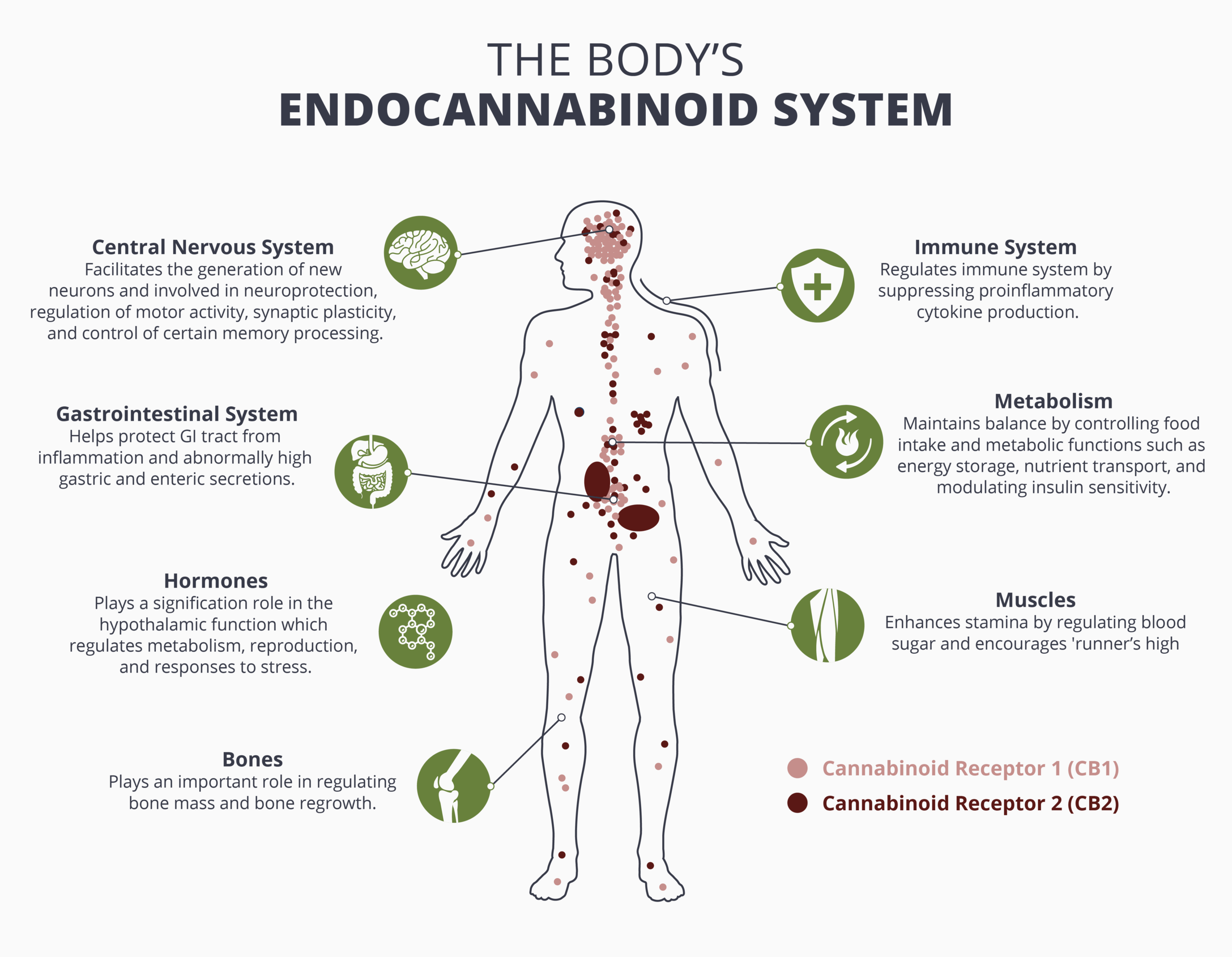
The Connection Between Sleep, Recovery, and the Endocannabinoid System
Getting a good night’s sleep isn’t just about feeling rested—it’s a key part of how your body recovers, repairs, and resets. Whether you’re an athlete pushing limits or someone simply trying to feel more energized during the day, understanding the behind-the-scenes players in rest and recovery is critical. One of the most fascinating—but often overlooked—roles in this process is played by your endocannabinoid system (ECS). Let’s break down how sleep, recovery, and the endocannabinoid system connect—and why it matters for your overall well-being. Why Sleep Is More Than Just Rest We often think of sleep as downtime, but your body is hard at work while you’re snoozing. Sleep allows for: When sleep is disrupted or shortened, everything from muscle recovery to mental focus suffers. You may feel irritable, sluggish, or sore far longer than usual. That’s where the endocannabinoid system comes in. What Is the Endocannabinoid System (ECS)? The ECS is a complex cell-signaling system in your body. It plays a role in regulating sleep, mood, appetite, immune response, and yes—recovery. If you’re not familiar with it already, here’s a straightforward look at how the ECS works: This system acts almost like a “homeostasis manager,” making adjustments to bring different systems (like the nervous system or immune system) into balance. The Link Between ECS and Sleep So how does the ECS influence sleep? The answer lies largely in brain chemistry, particularly in how neurotransmitters like serotonin and GABA function. Here’s the connection: In short, your body relies on the ECS to keep your sleep patterns healthy and adaptable—especially during times of stress or physical strain. Recovery Depends on Quality Sleep Whether you’re recovering from a workout, a long day at work, or a minor injury, sleep plays the role of lead healer. When your ECS is functioning optimally, it helps reduce pain, inflammation, and overactive stress responses. Poor or irregular sleep can interfere with recovery by: If you find that recovery is dragging on longer than it should, it might be worth assessing your sleep habits and ECS balance. How Stress and Gut Health Tie In You might be wondering what else affects your ECS. Two surprising but powerful players are stress and your gut microbiome. When you’re chronically stressed, cortisol production stays high and can impair ECS function. Sleep becomes lighter and more fragmented. On top of that, a disrupted gut microbiome means fewer short-chain fatty acids and weaker ECS regulation. Ways to Support Your ECS for Better Sleep and Recovery While your endocannabinoid system is designed to self-balance, modern life often throws too much at it—poor diet, stress, irregular sleep. Thankfully, there are natural and practical ways to strengthen your ECS. Daily Habits That Can Help: Is CBD the Same as Supporting the ECS? CBD has certainly grown in popularity—and for good reason. It interacts with the ECS in ways we’re still learning about. However, taking CBD isn’t the only way to support your ECS. It’s more of an external boost, not a complete fix. Boosting your body’s natural endocannabinoids through regular movement, good nutrition, and quality sleep will always be beneficial—with or without supplements. If you’re considering CBD, talk with a knowledgeable healthcare provider. Remember, good sleep hygiene and ECS balance start with consistent habits. Conclusion: Treat Sleep Like Recovery Fuel Your body isn’t just resting during sleep—it’s actively healing. And your endocannabinoid system is your body’s quiet engineer behind the scenes, tuning all the systems that enable quality rest and quicker recovery. By understanding and supporting the ECS, you’re not just “optimizing” your wellness. You’re giving your body what it needs to bounce back, both physically and mentally. Whether that means eating better fats, sleeping more deeply, or managing stress—it all feeds into the same ecosystem. So next time you’re yawning or feeling sore, think of your ECS. It might just need a little support. Want more ways to sync your sleep and recovery routines? Check out our other posts or subscribe to stay updated with real, reliable wellness strategies.